
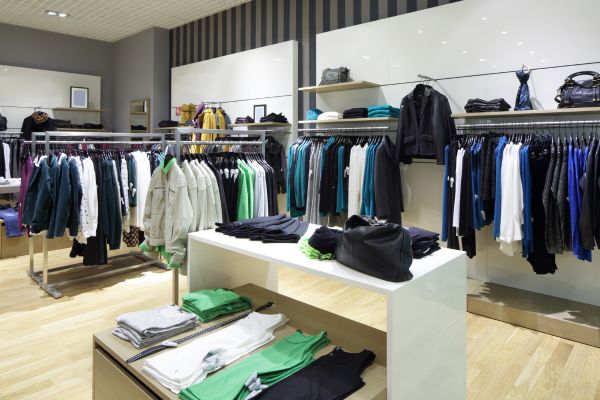
Fashion has always reflected changing cultural values, but in recent years, conversations around clothing have become more personal than ever. People are paying closer attention to how garments are made, what materials are used, and whether those choices align with broader ethical concerns. For many consumers, that shift has led to growing interest in vegan clothing brands.
At first glance, vegan fashion may sound straightforward. No leather, no wool, no silk, no fur. But the reality is more layered than that. Vegan clothing exists within a larger discussion about sustainability, labor practices, synthetic fabrics, environmental impact, and consumer habits. Some brands focus heavily on cruelty-free materials. Others combine vegan principles with recycled textiles and slow-fashion production methods.
What makes this movement interesting is that it’s no longer limited to niche markets. Vegan fashion has evolved beyond basic alternatives and now includes everything from streetwear and luxury accessories to minimalist essentials and athletic clothing. The aesthetic range has expanded dramatically, and consumers are becoming more thoughtful about what they wear without necessarily sacrificing personal style.
What Makes Clothing Truly Vegan
The simplest definition of vegan fashion is clothing made without animal-derived materials. That means avoiding leather, suede, fur, wool, silk, cashmere, feathers, and certain dyes or adhesives sourced from animals.
However, identifying vegan clothing is not always as obvious as checking labels.
Many garments contain hidden animal-based components. Shoes may use animal glues. Sweaters might blend acrylic with wool. Jackets sometimes include feather insulation even when the outer material appears synthetic. This complexity is one reason vegan clothing brands have gained traction — they remove some of the uncertainty for shoppers trying to make conscious decisions.
Still, vegan doesn’t automatically mean sustainable. Some synthetic alternatives rely heavily on petroleum-based plastics, creating separate environmental concerns. That tension has pushed many brands to search for better alternatives like recycled fibers, plant-based leathers, and innovative textile technologies.
Why Consumers Are Exploring Vegan Fashion
The interest in vegan fashion reflects broader cultural shifts around ethics and consumption. People increasingly want transparency from industries that were once difficult to question publicly.
Social media, documentaries, and environmental reporting all contributed to this awareness. Consumers learned more about factory farming, leather production, textile waste, and environmental pollution linked to fashion manufacturing.
At the same time, style itself changed.
Minimalism, capsule wardrobes, and slow fashion encouraged shoppers to buy fewer pieces with more intention. Vegan clothing fit naturally into that mindset because it emphasized awareness over impulse buying.
Interestingly, many people who buy vegan clothing are not strictly vegan in lifestyle. Some simply prefer avoiding animal-derived materials when possible. Others are drawn to the environmental angle rather than ethical concerns surrounding animals.
The motivations vary, but the growing demand is undeniable.
Stella McCartney and Luxury Vegan Fashion
Few names appear in discussions about vegan clothing brands as consistently as Stella McCartney. Long before sustainable fashion became mainstream, the designer built a luxury label around cruelty-free principles.
That decision initially seemed risky in an industry deeply associated with leather goods, fur, and traditional luxury materials. Yet over time, the brand helped prove that high fashion could exist without relying on animal products.
The company uses alternatives to leather and fur while also investing heavily in material innovation and sustainability research. Some collections incorporate regenerated fibers and lower-impact fabrics designed to reduce environmental strain.
Of course, luxury fashion still raises valid questions about accessibility and consumption overall. But Stella McCartney undeniably helped push vegan fashion into serious design conversations rather than treating it as a niche category.
Matt & Nat and the Rise of Vegan Accessories
Matt & Nat became widely recognized for vegan bags and accessories that balanced practicality with modern design. The brand gained attention partly because it avoided the overly “alternative” aesthetic that once defined much cruelty-free fashion.
Instead, its products looked sleek, urban, and wearable in everyday life.
Matt & Nat also embraced recycled materials early on, using recycled nylon linings and experimenting with sustainable fabric alternatives. For many consumers, the brand represented an accessible entry point into vegan fashion because accessories often feel easier to transition away from leather than full wardrobes.
Bags and shoes remain especially important categories in vegan fashion because traditional leather has historically dominated both.
Will’s Vegan Store and Everyday Wearability
Will’s Vegan Store focuses heavily on practical wardrobe staples and footwear. The company built its identity around creating products that feel familiar and functional rather than overly trend-focused.
That approach matters more than it may seem.
Many consumers exploring vegan fashion simply want reliable clothing they can integrate into daily routines without dramatically changing their personal style. Will’s Vegan Store appeals to that mindset by emphasizing durability, simple design, and transparency around materials.
The brand also highlights carbon-neutral practices and ethical manufacturing, reflecting how vegan fashion increasingly overlaps with broader sustainability conversations.
The Challenge of Leather Alternatives
One of the biggest discussions surrounding vegan clothing brands involves leather alternatives. Traditional leather comes with ethical and environmental concerns, but synthetic replacements are not always perfect solutions either.
Many faux leathers rely on polyurethane or PVC, both of which are plastic-based materials with environmental drawbacks.
This has created pressure for innovation.
In recent years, companies have experimented with plant-based alternatives made from mushrooms, pineapple fibers, cactus leather, apple waste, and cork. Some of these materials show real promise, though scalability and durability remain ongoing challenges.
Consumers are becoming more informed about these distinctions too. People increasingly ask not only whether a product is vegan, but also whether it’s environmentally responsible long term.
That added scrutiny is pushing the industry toward better solutions overall.
Thought Clothing and Natural Fabrics
Thought Clothing approaches vegan fashion through a softer, slower aesthetic centered around natural fibers and timeless design. The brand frequently uses materials like organic cotton, hemp, and bamboo-derived fabrics.
Its collections tend to feel understated rather than trend-driven, which aligns naturally with slow-fashion values.
There’s a noticeable shift happening in fashion where many consumers seem tired of disposable clothing cycles. Brands like Thought Clothing resonate because they encourage longer-term thinking around wardrobes instead of constant replacement.
That mindset often pairs naturally with vegan and ethical fashion principles.
Athletic and Streetwear Brands Are Joining In
Vegan fashion is no longer confined to minimalist basics or eco-focused boutiques. Sportswear and streetwear companies are increasingly experimenting with vegan materials and cruelty-free production methods as well.
Sneaker culture especially changed in recent years.
Major footwear brands now release vegan versions of classic designs using recycled mesh, plant-based leather substitutes, and synthetic suede alternatives. Consumers who once struggled to find fashionable vegan shoes suddenly have far more options than they did even five years ago.
This mainstream integration matters because it normalizes cruelty-free materials rather than isolating them into separate categories.
Fashion shifts fastest when ethical choices stop feeling visually restrictive.
The Problem With Overconsumption Still Exists
Even within vegan fashion, overconsumption remains a difficult issue.
Buying endless amounts of cheap vegan clothing still contributes to textile waste, pollution, and resource consumption. Ethical branding alone cannot fully solve fashion’s environmental problems if shopping habits remain excessively disposable.
This realization has changed how many people approach vegan fashion altogether.
Instead of focusing solely on labels, consumers increasingly prioritize durability, versatility, and thoughtful purchasing. The most sustainable garment is often the one worn repeatedly for years rather than discarded after a season.
That perspective moves the conversation beyond trends and into broader questions about consumption itself.
Why Transparency Matters More Than Labels
Modern consumers are more skeptical than before, and honestly, that skepticism is probably healthy.
Terms like “eco-friendly,” “green,” or “conscious” appear constantly in fashion marketing. Without transparency, those phrases quickly become meaningless. People want clearer information about sourcing, labor practices, manufacturing methods, and material composition.
The stronger vegan clothing brands tend to embrace that openness instead of avoiding scrutiny.
No brand is completely perfect. Fashion manufacturing always carries environmental impact to some extent. But companies willing to discuss both progress and limitations generally earn more trust than those relying only on polished messaging.
Conclusion
The growing popularity of vegan clothing brands reflects a larger shift in how people think about fashion, consumption, and personal values. Consumers are asking more questions than they once did, not because they expect perfection, but because they want greater awareness around the products they buy and wear every day.
Brands like Stella McCartney, Matt & Nat, Will’s Vegan Store, and Thought Clothing each represent different approaches to cruelty-free fashion, from luxury design to practical everyday essentials. Together, they reflect an industry slowly adapting to changing consumer expectations.
Ultimately, vegan fashion is not just about replacing leather or avoiding wool. It’s part of a broader conversation about intentional living, sustainability, and the evolving relationship people have with clothing itself. The choices consumers make may not transform the industry overnight, but they continue shaping the direction fashion moves in next.